Featured
The Basic Principles Of Assessing Bankruptcy Counseling O...
How The Role of Licensed Bankruptcy Counselors can Save Y...

The 10-Second Trick For Building Your Custom Journey to S...
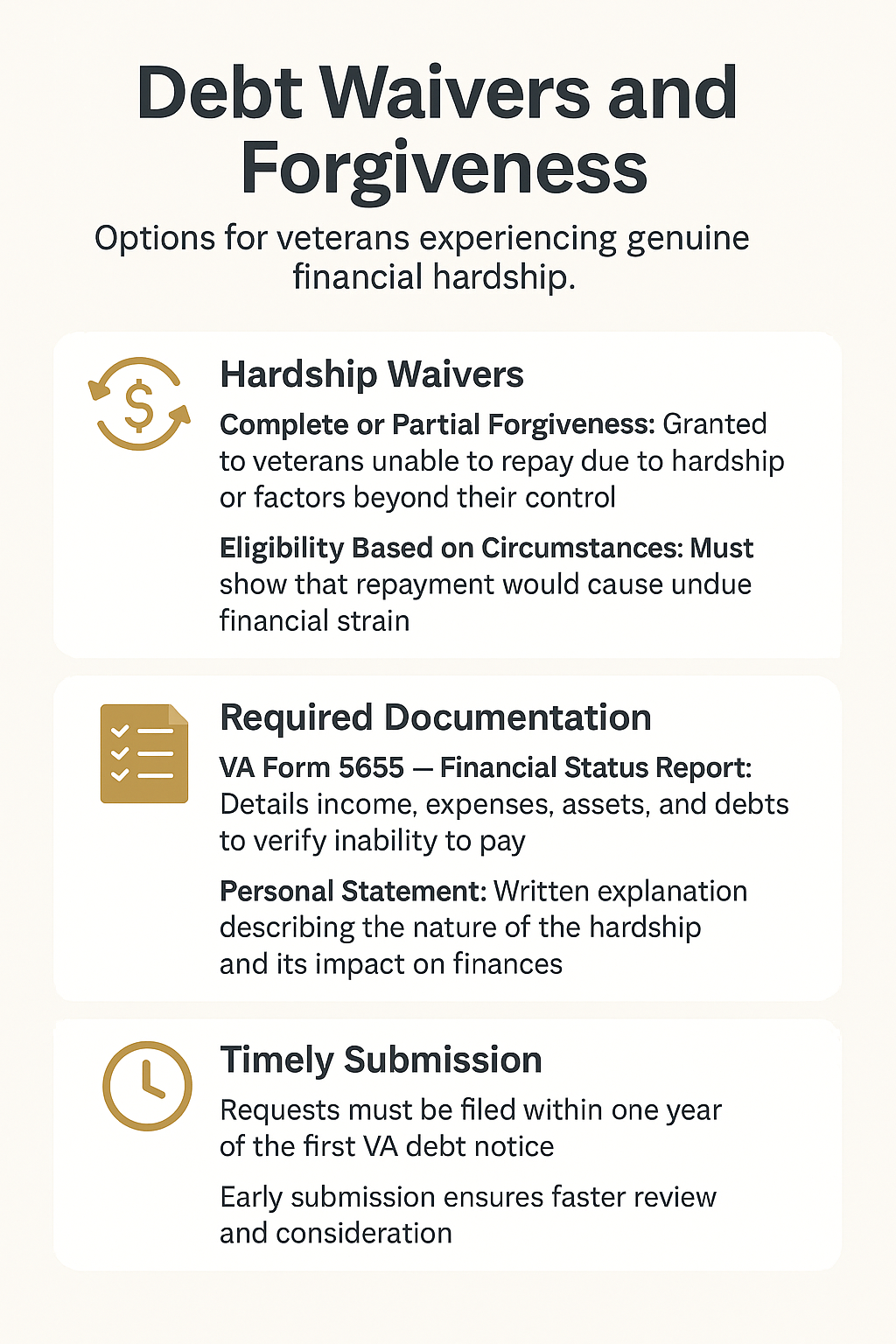
8 Simple Techniques For Rebuilding Your Financial Standing After Debt Forgiveness
Table of Contents
That releases up cash in the brief term, and you may have 3 to four years to save towards the settlement amount. Really hazardous to credit history, mostly due to missed payments and a negative "cleared up" mark that could remain on your credit rating record for approximately 7 yearsMay be only choice if various other alternatives (financial debt loan consolidation, balance transfer charge card, debt mercy) aren't possibleTypically requires a fee to the third party, which could offset some or all of the cost savings from debt settlementMay help you avoid personal bankruptcy if you've missed a number of paymentsNot all lenders collaborate with financial obligation negotiation firms Financial debt forgiveness may be ideal for you if you are experiencing a financial difficulty that makes it nearly impossible to pay for your financial obligation equilibriums.

With a DMP, you make one regular monthly payment to the credit rating counseling firm. Those funds are after that dispersed to financial institutions of your unprotected financial obligations, such as bank card and installment finances. The firm collaborates with your lenders to lower rate of interest or waive fees, however some lenders might decline such concessions.
It can assist you pay down financial obligation if you're able to protect a loan rate that's lower than the average price of the accounts you're consolidating. You should avoid from racking up debt on those newly cleared accounts or your debt could expand also higher.
That gives you plenty of time to remove or substantially minimize your balance while making interest-free repayments.
Getting The Ways Debt Counseling Guarantees Industry Standards To Work
You may require it if your financial institution or a collection agency ever before attempts to gather on the debt in the future. When a lender forgives $600 or more, they are needed to send you Type 1099-C.
Financial debt mercy or settlement usually hurts your credit history. Anytime you clear up a financial debt for less than you owe, it might show up as "cleared up" on your credit history record and impact your credit report for 7 years from the day of negotiation. Your credit rating can likewise go down significantly in the months resulting in the forgiveness if you fall behind on settlements.
The Of How Much Debt Counseling Typically Cost
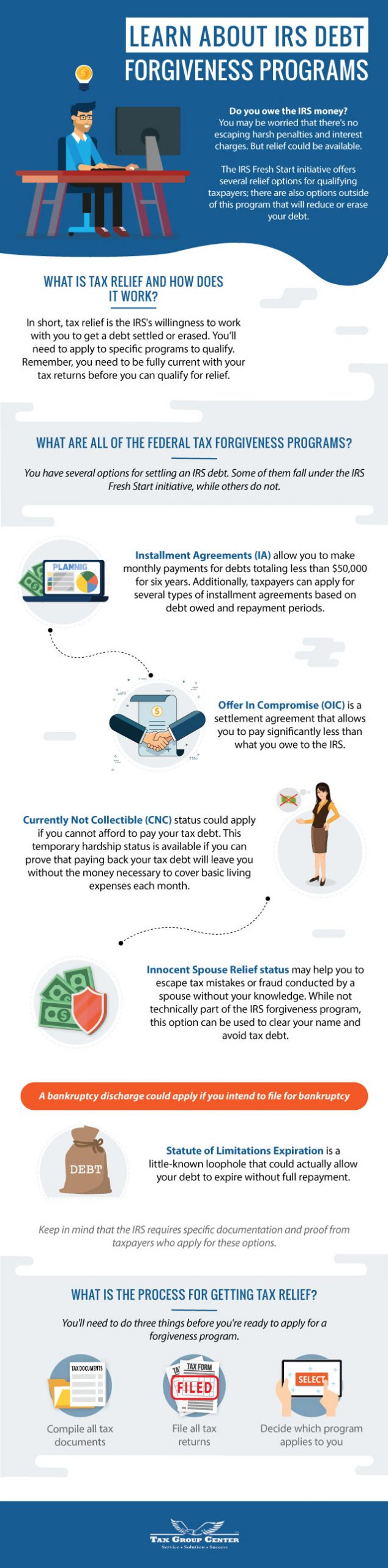
Tax obligation debt compromise programs Tax obligation debt takes place when the quantity of taxes you owe exceeds what you have paid. This scenario typically results from underreporting revenue, not submitting returns on time, or inconsistencies found throughout an IRS audit. The consequences of accumulating tax financial obligation are major and can consist of tax obligation liens, which provide the internal revenue service a lawful claim to your home as protection for the financial debt.
Higher interest prices on available credit history. Incomes and Financial institution Accounts internal revenue service can levy (take) salaries and bank accounts to please the financial debt. Lowered earnings and disruption of important economic procedures. Building Seizure In severe instances, the internal revenue service can take and sell home to cover the financial debt. Loss of important assets and possible variation.
Clinical depression, stress and anxiety, and other psychological health and wellness issues. Social Preconception Facing lawful activity from the internal revenue service can carry social preconception. Damages to online reputation and relationships. Work Opportunities A poor credit rating rating because of tax financial obligation can limit employment possibility. Difficulty searching for or keeping a task. Government Benefits Tax debt may affect qualification for government benefits, such as Social Security and Medicaid.
4 Easy Facts About Red Flags When Researching Debt Relief Services Described
The OIC takes into consideration several aspects, consisting of the taxpayer's revenue, expenditures, possession equity, and ability to pay. Successfully discussing an OIC can be intricate, requiring a comprehensive understanding of the IRS's guidelines and a solid argument for why your offer straightens with your ability to pay. It is essential to keep in mind that not all applications are accepted, and the procedure requires comprehensive economic disclosure.
The internal revenue service analyzes your overall financial circumstance, including your income, expenses, property equity, and capacity to pay. You need to also be present with all filing and payment needs and not be in an open bankruptcy case. The IRS likewise considers your conformity history, reviewing whether you have a record of prompt declaring and paying tax obligations in previous years.
The Facts About "The Importance of Family Support Programs in a Veteran’s Post-Service Journey Ruins Your Credit" Exposed Uncovered
The application process for an Offer in Concession entails a number of in-depth actions. You should finish and send Internal revenue service Form 656, the Deal in Compromise application, and Type 433-A (OIC), a collection details declaration for people. These forms call for thorough monetary info, consisting of details concerning your income, financial debts, expenses, and possessions.
Back tax obligations, which are overdue tax obligations from previous years, can substantially boost your overall internal revenue service financial debt if not dealt with without delay. This financial debt can accrue passion and late settlement charges, making the original amount owed a lot bigger gradually. Failure to pay back tax obligations can lead to the internal revenue service taking enforcement activities, such as releasing a tax obligation lien or levy versus your property.
It is necessary to address back tax obligations immediately, either by paying the complete amount owed or by setting up a settlement strategy with the internal revenue service. By taking positive steps, you can prevent the build-up of additional interest and charges, and protect against much more aggressive collection actions by the IRS.
One common reason is the idea that the taxpayer can pay the total either as a round figure or via a payment strategy. The IRS also considers the taxpayer's income, expenditures, asset equity, and future earning possibility. If these variables show that the taxpayer can manage to pay more than the supplied amount, the IRS is most likely to reject the offer.
Excitement About Your Legal Protections According to Bankruptcy Law
Dealing with IRS financial obligation can be intricate and daunting. Tax professionals, such as Certified public accountants, tax lawyers, or registered agents, can offer vital assistance.

Table of Contents
Latest Posts
The Basic Principles Of Assessing Bankruptcy Counseling Organizations to Choose the Right Match

Rumored Buzz on Questions You Must Ask Before Committing

How The Role of Licensed Bankruptcy Counselors can Save You Time, Stress, and Money.
More
Latest Posts
The Basic Principles Of Assessing Bankruptcy Counseling Organizations to Choose the Right Match
Rumored Buzz on Questions You Must Ask Before Committing
How The Role of Licensed Bankruptcy Counselors can Save You Time, Stress, and Money.